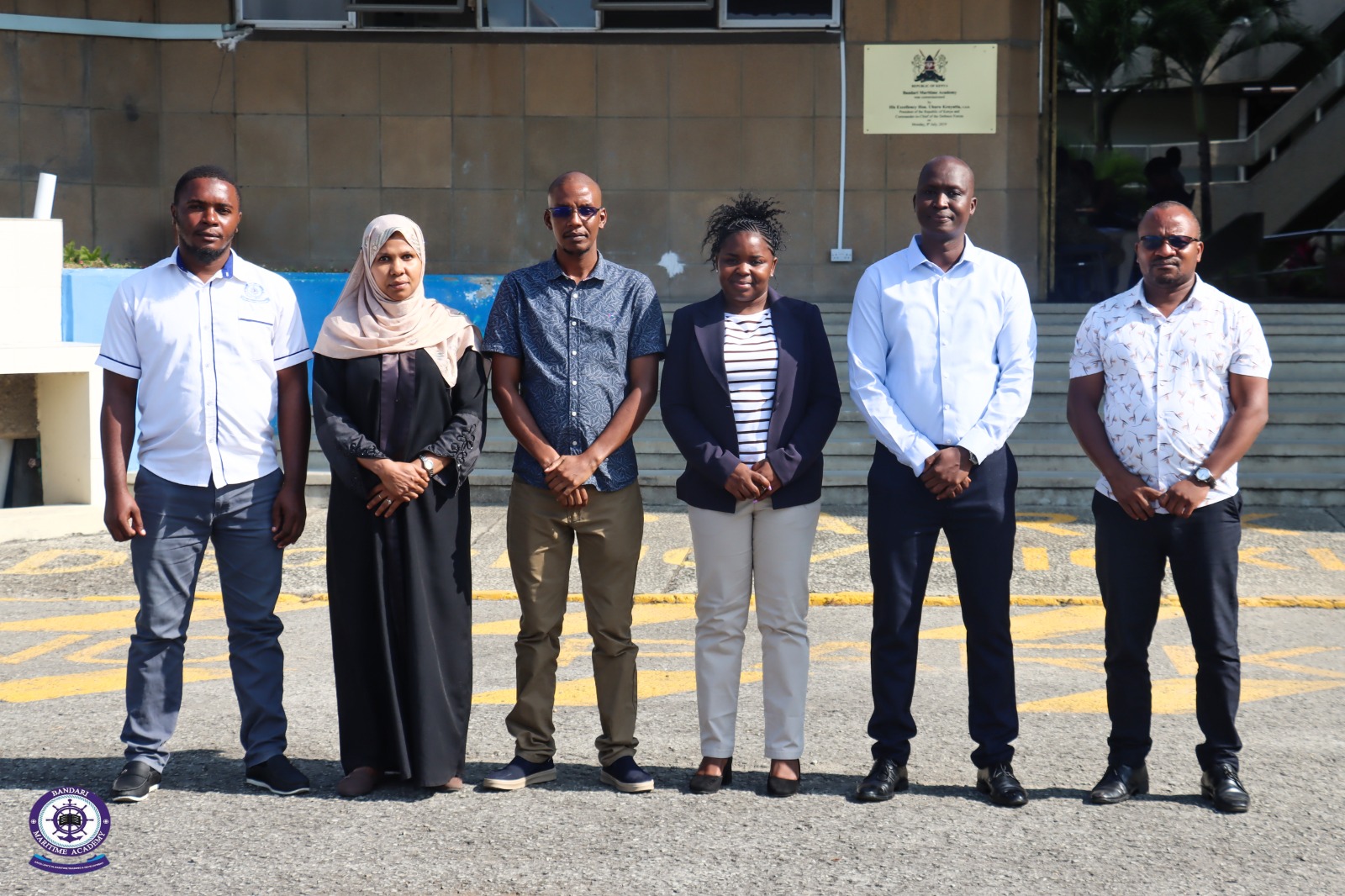
Bandari Maritime Academy (BMA) has received the findings of the Deep Dives on Digital Skills in Maritime Education and Training study, marking an important step in strengthening digital competencies for Kenya’s future seafarers.
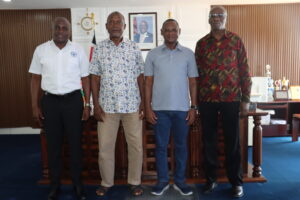
The findings were presented by Dr. Renis Auma Ojwala, a Postdoctoral Research Associate at the World Maritime University (WMU), during a session hosted at the Academy.
 The meeting was chaired by BMA Senior Principal Trainer I, Nautical Science, Maj. (Rtd) Franklyne Toniok, who represented the Academy’s Chief Executive Officer, Dr. Eric Katana.
The report reveals significant gaps in digital preparedness within the maritime sector, noting that more than 80 per cent of seafarers have received little or no formal training in digital skills. Despite this, many expressed a strong interest in acquiring knowledge in artificial intelligence (AI), automation, and other emerging digital technologies.
The study further found that while most seafarers are comfortable using conventional maritime systems, many feel less prepared to operate automated systems, digital platforms, and data-driven technologies as the industry continues to embrace rapid technological change.
 Among its recommendations, the report calls for stronger maritime education and training in cybersecurity, data-driven decision-making, human-machine interaction, and the operation of automated and remotely controlled vessel systems to bridge the identified skills gap.
Receiving the findings provides Bandari Maritime Academy with valuable insights to help align its training programmes with evolving global trends and industry demands.
The engagement also provided an opportunity to review the study’s recommendations and discuss practical measures for enhancing digital skills training at the Academy.
The discussions reaffirmed BMA’s commitment to equipping seafarers with the knowledge, practical competencies, and digital skills needed to succeed in an increasingly technology-driven maritime industry.