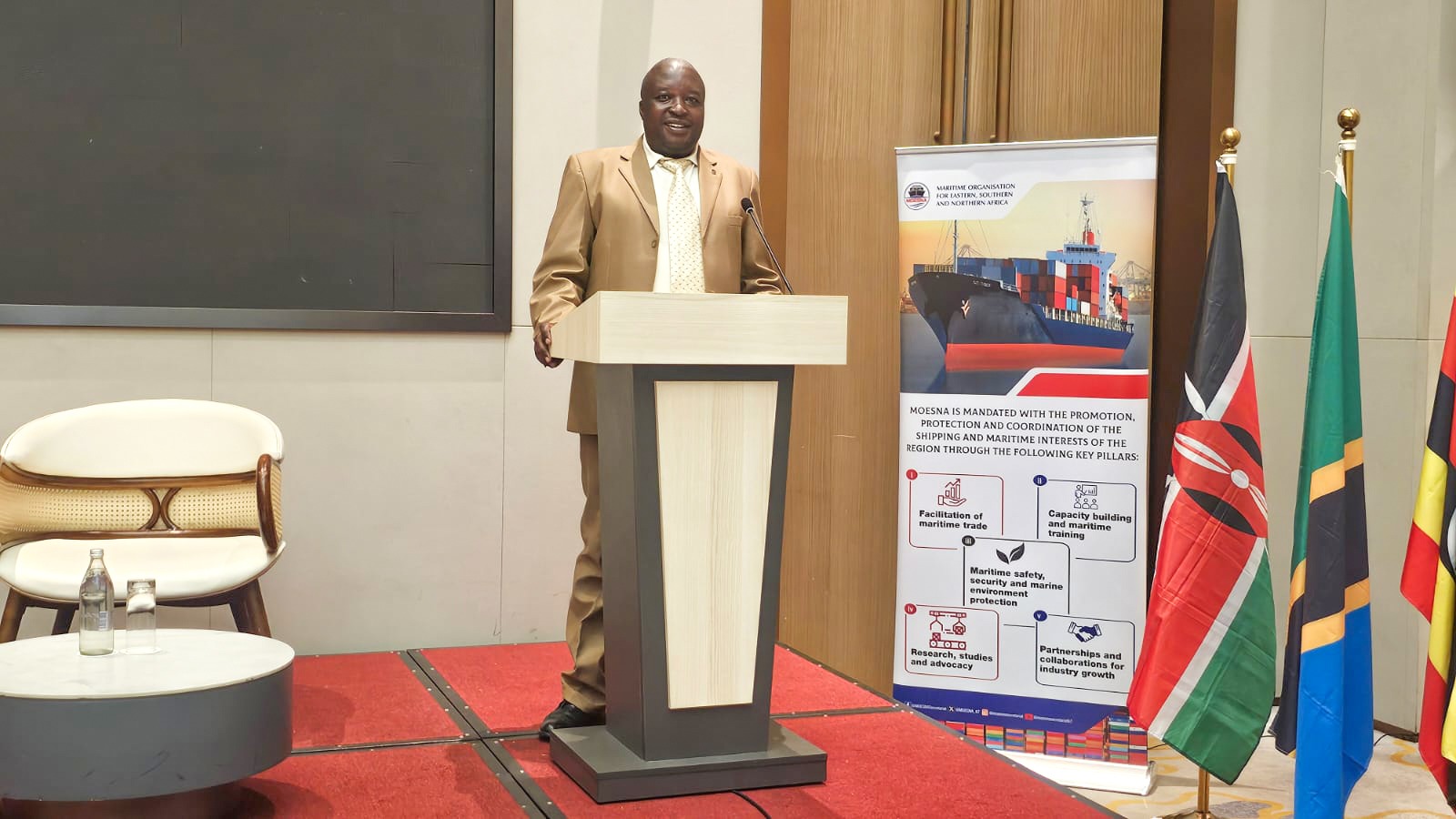
The stakeholders’ consultative forum on the development of a regional coxswain training curriculum for Eastern, Southern, and Northern Africa has concluded today, marking a key milestone in ongoing efforts to standardize training and certification across the region.
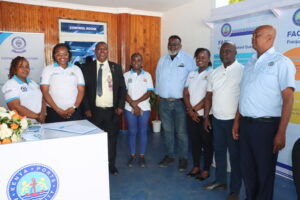
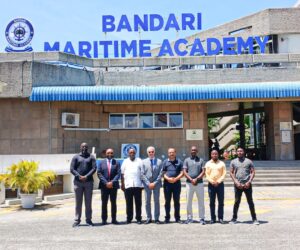
The forum, convened under the Maritime Organization for Eastern, Southern and Northern Africa (MOESNA), brought together maritime regulators, training institutions including Bandari Maritime Academy (BMA) and industry experts who reviewed proposals aimed at improving safety in inland and coastal water transport systems.
A major focus of the discussions was the persistent challenge of weak certification systems, outdated training methods, and fragmented regulatory frameworks that continue to contribute to preventable maritime accidents involving small commercial and passenger vessels.
The forum focused on the findings from a Situational Analysis and Training Needs Assessment conducted to inform the development of the regional curriculum by BMA Ag. Senior Deputy Director for Maritime Transport Operations Training, Mr. Enock Okemwa, alongside BMA Assistant Director for Quality Assurance, Michael Njogah.
The assessment identified significant gaps across the region, including inconsistent training standards, fragmented certification systems, and limited alignment between national training programmes and emerging operational demands in inland and coastal water transport. It also underscored the need for structured, competency-based training pathways to enhance safety, professionalism, and accountability among coxswains.
Participants noted that waterways across the region continue to experience avoidable accidents, largely attributed to weak training structures and the absence of harmonized standards governing small vessel operations.
Experts at the forum also called for a review of the definition of a coxswain to reflect evolving responsibilities in modern maritime transport.