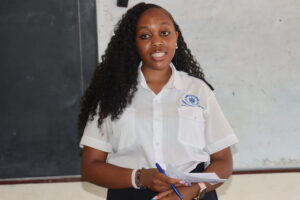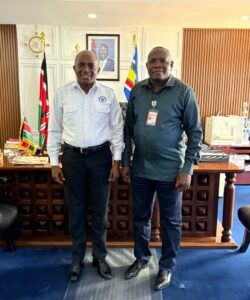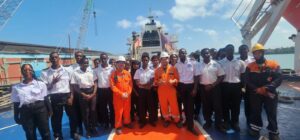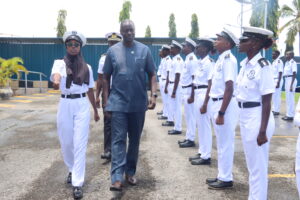
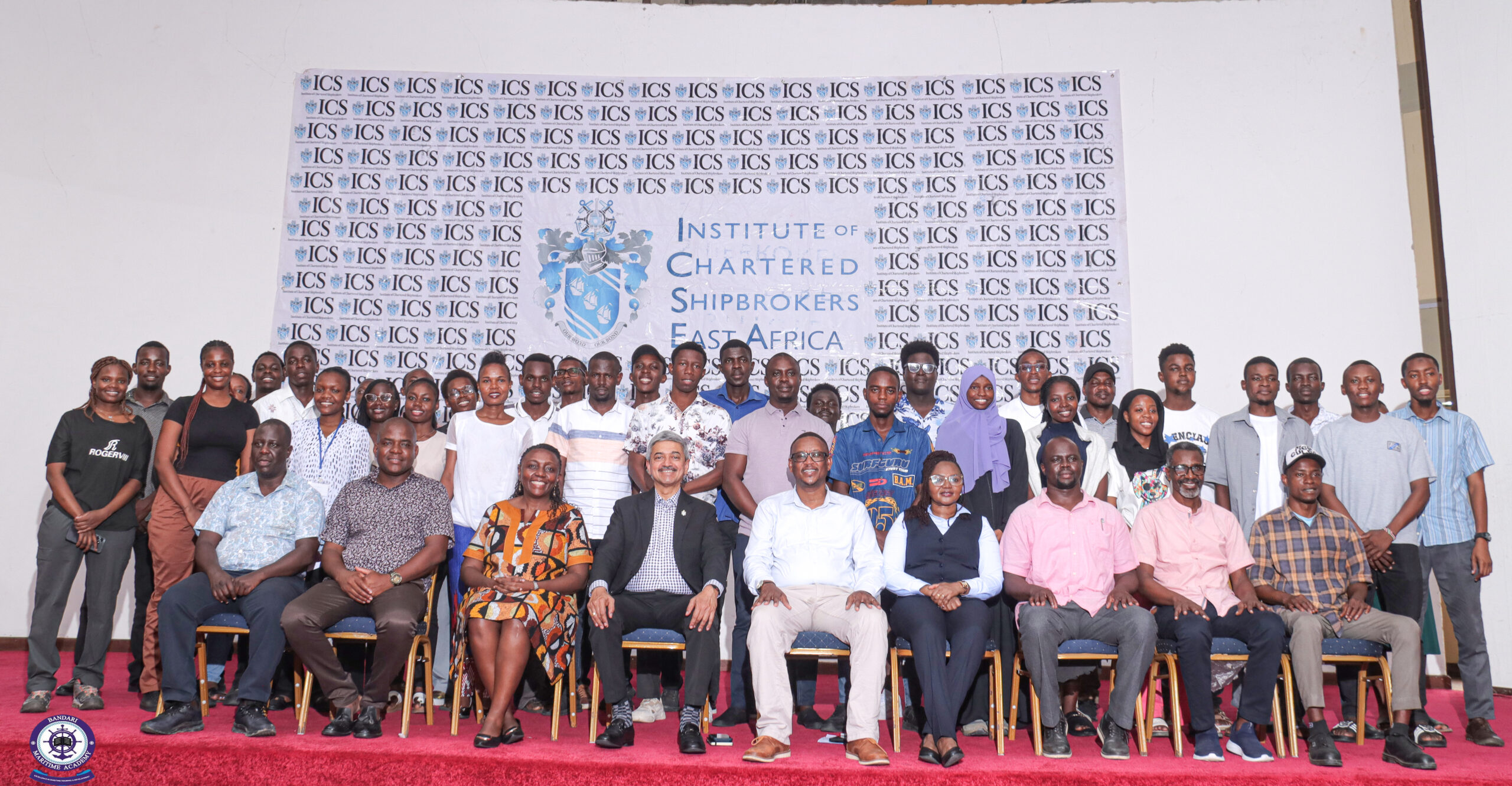
Insights from maritime industry leaders on career opportunities, workplace expectations, and the skills required to succeed in the maritime sector took center stage as Bandari Maritime Academy (BMA) cadets participated in the Institute of Chartered Shipbrokers (ICS) Students’ Symposium during the ICS Networking Conference 2026 held at the Academy.
The symposium brought together maritime students from various training institutions, industry professionals, and representatives from logistics companies, providing a platform for knowledge sharing, mentorship, professional networking, and career guidance.
 ICS International Chairman, Mr. Krishnan Subramaniam, urged them to master communication skills, describing effective communication as an important human factor that can drive breakthroughs in their careers.
“ChatGPT can give you answers, but in an interview, the way you communicate will earn you a job. Ensure you are good public speakers,” Mr. Subramaniam said.
He challenged the students to look beyond technical knowledge and develop strong interpersonal and communication skills, noting that their ability to express themselves confidently and engage effectively with others would be critical as they transition into the workplace.
For BMA cadets, the engagement provided valuable exposure to the realities of the maritime workplace while complementing the Academy’s competency-based approach to training.
 Addressing the forum, BMA Senior Trainer in Maritime Transport and Logistics, Eddison Murengi, said BMA continues to strengthen the employability of its cadets by combining classroom instruction with practical training and industry exposure.
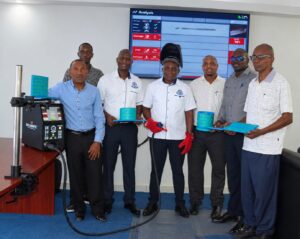
He noted that the Academy provides cadets with opportunities to gain hands-on experience through educational field visits, simulation training, and practical sessions, helping them develop competencies that respond to the needs of the maritime industry.
Further, the students were encouraged to embrace volunteer opportunities, noting that volunteering provides an important avenue for gaining practical experience, building professional networks, and identifying career opportunities.
The interaction enabled students to gain perspectives from industry practitioners on the evolving demands of the maritime sector and the importance of developing practical, professional communication, and problem-solving skills.