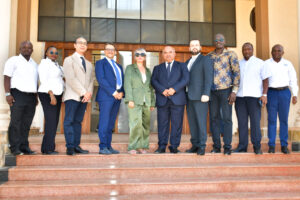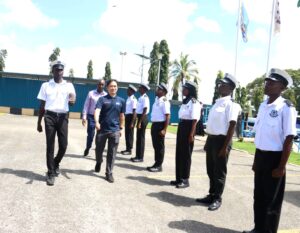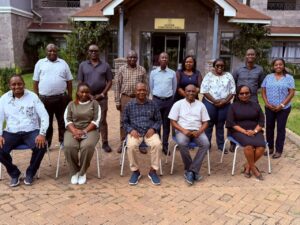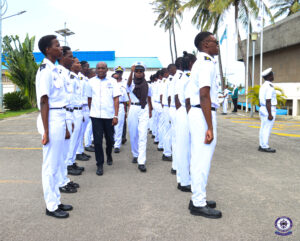
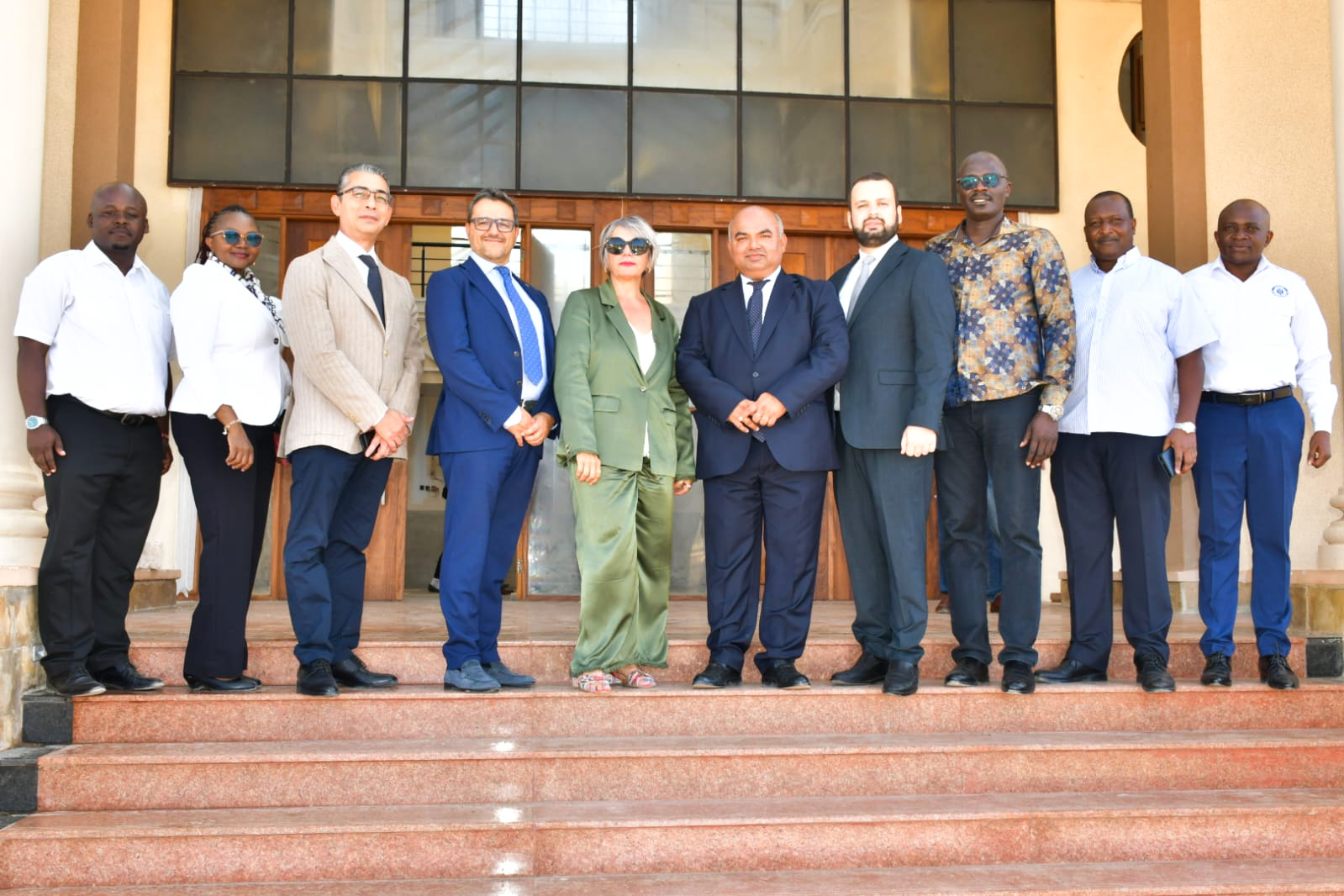
Bandari Maritime Academy (BMA) Chief Executive Officer, Dr. Eric Katana, has joined Kenya Maritime Authority (KMA) Director General, CPA Omae Nyarandi, Kenya Utalii College Chief Executive Officer, Mr. Mark R. Ogendi, and leadership from Mediterranean Shipping Company (MSC) to inspect the Ronald Ngala Utalii College Campus in Kilifi County ahead of its official opening.
The visit highlighted the ongoing collaboration between BMA and Kenya Utalii College under their existing Memorandum of Understanding (MoU), which provides a framework for cooperation in skills development and creating opportunities for graduates to access careers within the Blue Economy.
 The engagement also highlighted the importance of strengthening partnerships among training institutions, regulators, and leading maritime industry players, such as MSC, to align skills development with the evolving needs of the industry.
MSC’s involvement provides an important link between training and the maritime employment market, particularly in areas such as shipping, cruise operations, maritime tourism and hospitality.
Under the MoU, trainees from Kenya Utalii College have an opportunity to undertake STCW Basic Safety Training at BMA. The training equips them with essential maritime safety skills and competencies, enhancing their preparedness for employment opportunities in the maritime sector.
The initiative is particularly relevant as the Blue Economy continues to create new opportunities across maritime tourism, cruise operations, coastal hospitality and other ocean-based activities. By acquiring additional maritime safety competencies, hospitality graduates can broaden their career pathways and improve their competitiveness in an evolving labour market.
 The collaboration demonstrates the value of aligning hospitality and maritime training to respond to emerging industry needs. It also provides an avenue for graduates to acquire complementary skills that can support their transition into employment opportunities within the wider maritime and Blue Economy ecosystem.
The involvement of MSC further demonstrates the importance of public-private partnerships in bridging the gap between skills development and industry requirements.